How to Calculate Your Self Assessment Tax Bill 2026/27
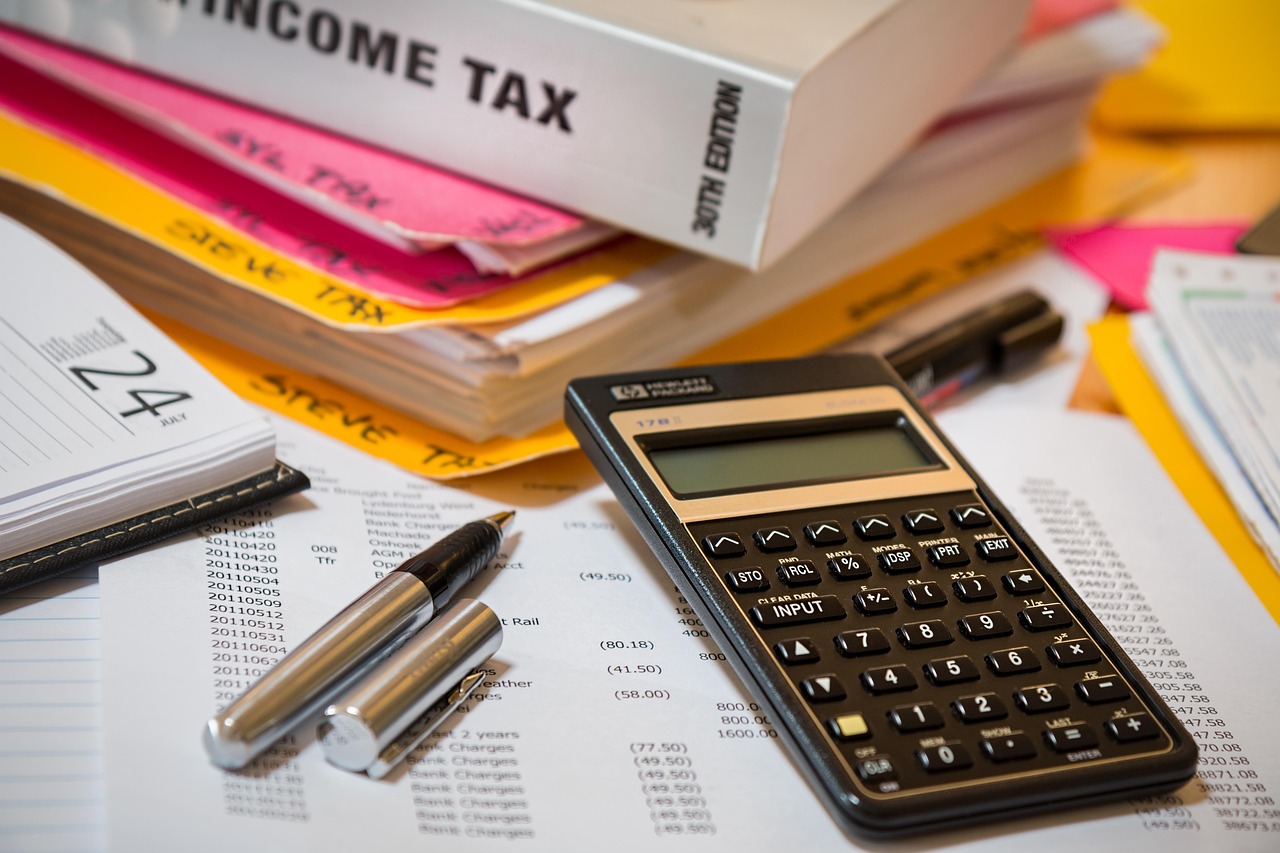
If you are self-employed or have income outside of PAYE, you need to complete a Self Assessment tax return every year. One of the most common questions people ask is: how do I know how much I actually owe? This guide walks you through every step of the calculation for the 2026/27 tax year, from your total income down to your final bill.
What is Self Assessment?
Self Assessment is HMRC's system for collecting tax from people whose income is not fully taxed at source through PAYE. You must register for Self Assessment if you are self-employed as a sole trader, a partner in a business partnership, a company director, a landlord earning rental income, or if you earn over £100,000 from employment.
The tax year runs from 6 April to 5 April the following year. For 2026/27, that means income earned between 6 April 2026 and 5 April 2027. Your tax return for this period is due by 31 January 2028 online.
Step 1 — Calculate Your Total Taxable Income
Start with all sources of income you received in the tax year:
- Self-employment profit — your turnover minus allowable business expenses
- Employment income — salary, bonuses, benefits in kind
- Rental income — rent received minus allowable property expenses
- Savings interest — bank and building society interest
- Dividends — from shares you own
- Other income — pension income, capital gains (reported separately)
Add these together to get your gross income. For most sole traders, the biggest figure is self-employment profit.
Step 2 — Deduct Allowable Expenses
If you are self-employed, you can deduct genuine business expenses from your turnover to arrive at your taxable profit. Common allowable expenses include:
- Office costs — stationery, printer ink, postage
- Travel costs — fuel, parking, train fares (not commuting)
- Clothing — uniforms or protective gear (not everyday clothing)
- Staff costs — wages, employer National Insurance contributions
- Things you buy to sell on — stock and materials
- Financial costs — bank charges, insurance
- Advertising and marketing
- Training related to your current work
You cannot claim expenses that are personal, such as clothing you could wear outside of work, or the full cost of a car used for both business and private journeys.
If your turnover is under £90,000, you can use the £1,000 Trading Allowance instead of claiming individual expenses. This means the first £1,000 of self-employment income is completely tax-free with no need to track expenses at all.
Step 3 — Apply the Personal Allowance
In 2026/27, the Personal Allowance is £12,570. This is the amount of income you can earn each year without paying any Income Tax. It applies across all your income sources combined.
Important: if your total income exceeds £100,000, your Personal Allowance is reduced by £1 for every £2 earned over that threshold. At £125,140, you lose the Personal Allowance entirely and face an effective 60% tax rate on income between £100,000 and £125,140.
Step 4 — Calculate Income Tax
Once you have deducted the Personal Allowance from your total income, the remaining amount is taxed at the following rates for 2026/27:
- Basic Rate — 20% on income between £12,571 and £50,270
- Higher Rate — 40% on income between £50,271 and £125,140
- Additional Rate — 45% on income above £125,140
For example, if your taxable profit after expenses is £38,000:
- Deduct Personal Allowance: £38,000 − £12,570 = £25,430 taxable
- Income Tax at 20%: £25,430 × 20% = £5,086
Step 5 — Add National Insurance Contributions
Self-employed people pay two types of National Insurance:
Class 2 NICs are flat-rate contributions of £3.45 per week (2026/27) if your profits are above the Small Profits Threshold of £6,725 per year. On annual profits above this level, Class 2 NICs come to approximately £179 per year.
Class 4 NICs are calculated as a percentage of profit:
- 9% on profits between £12,570 and £50,270
- 2% on profits above £50,270
Using the same example of £38,000 profit:
- Class 4 NICs: (£38,000 − £12,570) × 9% = £2,289
- Class 2 NICs: £179 (approximately)
- Total NICs: £2,468
Step 6 — Total Tax Bill
Your total Self Assessment bill = Income Tax + Class 2 NICs + Class 4 NICs, minus any tax already paid at source.
Continuing the example:
- Income Tax: £5,086
- NICs: £2,468
- Total bill: £7,554
If you are also employed, any PAYE tax already deducted from your salary is credited against this total. You only pay HMRC the difference.
Payments on Account
If your Self Assessment bill is over £1,000, HMRC requires you to make two advance payments towards the following year's bill. Each payment on account is 50% of the current year's bill, paid in January and July. This can catch first-time filers off guard — your first January payment covers both the previous year's bill and the first payment on account for the current year.
Deadlines to Remember
- 5 October — register for Self Assessment if new to it
- 31 October — paper tax return deadline
- 31 January — online return and payment deadline
- 31 July — second payment on account
Missing deadlines results in automatic penalties: £100 for missing the January deadline, increasing to £900 after 3 months and further beyond that.
Use our free Sole Trader Tax Calculator to see your Income Tax and NIC breakdown for 2026/27 in seconds. No signup, no data stored.
How to Reduce Your Self Assessment Bill Legally
There are several fully legitimate ways to reduce the tax you owe:
- Pension contributions — contributions to a personal pension reduce your taxable income pound for pound
- Claim all allowable expenses — many sole traders underclaim, particularly for home office use and vehicle costs
- Marriage Allowance — if your partner earns less than £12,570, they can transfer £1,260 of their allowance to you, saving up to £252
- Gift Aid donations — donations to charity through Gift Aid can reduce your tax bill if you are a higher-rate taxpayer
- Capital allowances — claim the cost of equipment and machinery against your profits
Skip the manual calculation — enter your income and expenses and we'll work out your Self Assessment tax bill instantly.